
Deck

Seed deck opener

Slide 1 of 7

Seed pitch

Meal plans built from the groceries you already buy

We turn grocery receipts into weekly meal plans for busy families, so dinner starts with what is already in the cart instead of another round of planning.

A busy family reviews a simple weekly meal plan beside grocery receipts and familiar ingredients on a kitchen counter.

Slide 2 of 7

What we’ll cover

  • Why family meal planning breaks down

    Busy parents juggle receipts, groceries, and weeknight decisions, so food planning often happens too late or not at all.

  • A meal plan built from what you bought

    We turn grocery receipts into a practical weekly plan that fits the food already in the house.

  • From receipt to weeknight dinners

    We read the receipt, organize ingredients, and map them into simple meals for the days ahead.

  • The opening in family grocery planning

    Families already shop every week, creating a clear entry point for a planning tool tied to real purchases.

Slide 3 of 7

Dinner planning breaks down before the week starts

  • Receipts pile up, but nothing gets planned

    Families already have a record of what they buy, but it stays buried in paper slips and inboxes instead of helping answer what to cook next.

  • Busy parents make the same decisions again

    Each week starts with a fresh round of meal ideas, pantry checks, and list-making. The mental load lands on the same people over and over.

  • Groceries get bought without a clear plan

    Without a simple weekly plan tied to real shopping habits, ingredients are forgotten, meals feel repetitive, and weeknights get harder than they need to be.
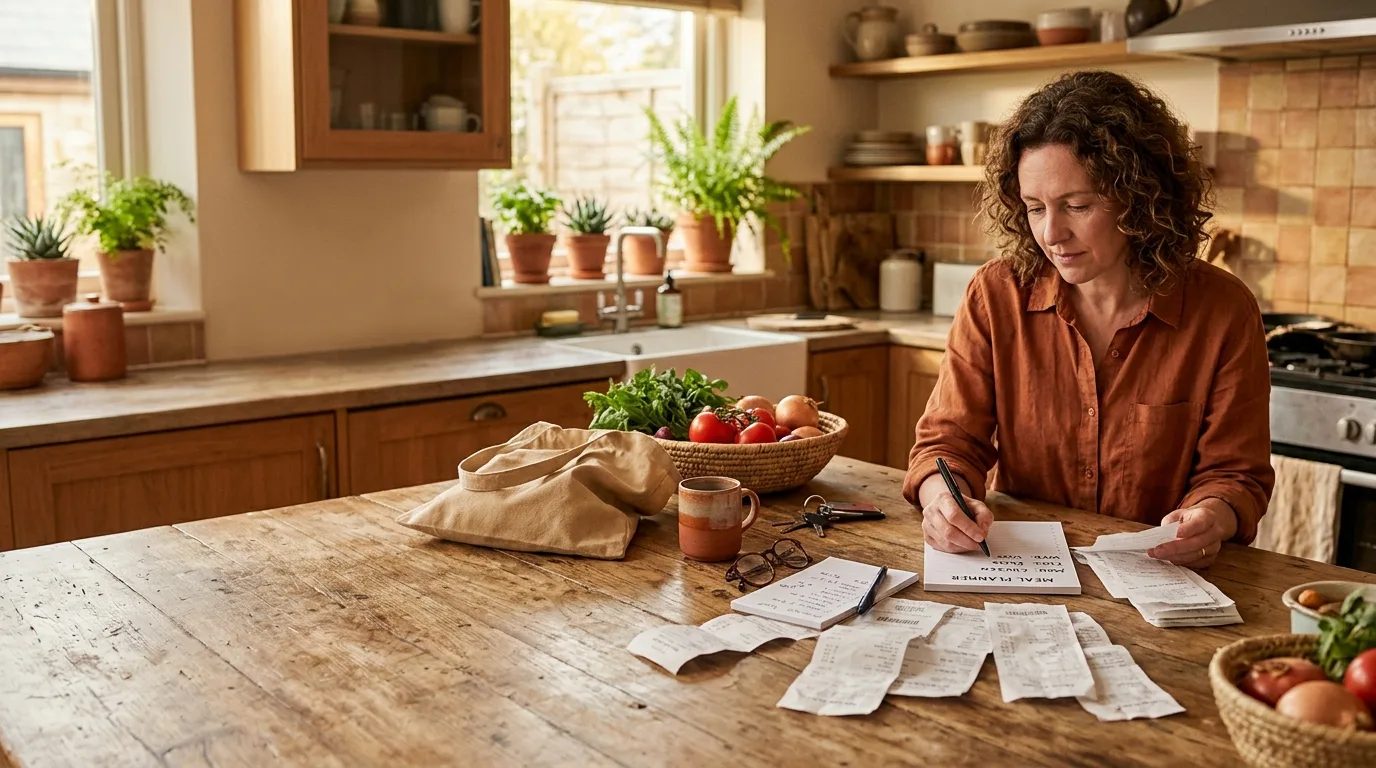
A busy family kitchen with grocery receipts, a handwritten list, and a parent trying to plan dinners for the week.

Slide 4 of 7

From receipts to a week of dinners

  1. Reads what your family already buys

    We turn grocery receipts into a clear picture of the ingredients, brands, and staples already in your routine.

  2. Builds meal plans around real habits

    Instead of generic recipes, the plan reflects what your household actually eats, making weeknight decisions faster and easier.

  3. Cuts waste and repeat shopping

    By planning from past purchases, families use more of what they buy and avoid extra trips for forgotten dinner ideas.

Slide 5 of 7

From receipts to a week of dinners

Receipts pile up, but meal planning still starts over

Busy families already buy the ingredients they use, yet that history stays trapped in receipts. Planning meals each week still takes time, guesswork, and another trip through the fridge.

We read what a family buys and plan from there

The product turns grocery receipts into a clear picture of household staples, then builds a weekly meal plan around those habits. Families get practical dinner ideas based on what they actually buy.

Slide 6 of 7

A weekly habit hiding in every grocery trip

  1. Families already keep the raw data in their receipts.
  2. Meal planning fits naturally into the rhythm of grocery shopping.
  3. Busy households need a simpler way to decide what to cook next.

Slide 7 of 7

Takeaway

Make dinner one less decision

We turn the groceries families already buy into a practical plan for the week ahead. We’re building the easiest path from receipt to dinner.